Douyin account of the altruist: 小唐在美国 https://www.reddit.com/r/NewsWithJingjing/comments/1slili1/a_young_man_from_sichuan_china_goes_to_skid_row/ A young man from Sichuan, China goes to "Skid Row" ...
Tbh, though I appreciate your effort to explain how to make it clearer (it’s a solid breakdown on language use), I tend to be of the view that unless you really know your audience (ex: you’re speaking to a close friend who you can trust knows you and knows your tells for joking and serious) it’s almost always better to say outright whether you’re joking.
One point made in this thread is that not doing so makes it more difficult for people on the autism spectrum. But it’s not only that. There’s a reason Poe’s law become an adage on the internet:
The observation that, on the Internet, without a clear indication of the author’s intent, it is impossible to tell the difference between sincere extremism and a parody of extremism.
In particular, in ideological spaces, there’s real risk that parody of reactionary views can be used as a means of laundering real reactionary views through irony poisoning:
Irony poisoning is the process or altered state wherein one has a diminished capacity for distinguishing between one’s own genuine beliefs and ironic beliefs through an overuse of irony. This can manifest in either an inability to state one’s beliefs in a genuine way or genuinely echoing provocative sentiments they once held only ironically.
Or through a process like that of what is sometimes called “Schrodinger’s douchebag”:
Someone who is a jerk and decides whether they were joking or not based on how people reacted.
I’ve been wanting to write a longer post on this subject for some time, but never quite got around to it. In general, it seems to me that the common western view on parody and satire, that it’s somehow more clever/valuable/compelling if it is not explicitly and openly called attention to as such, is rooted in elitism rather than effectiveness (e.g. the idea is that there are the ones who are “clever enough of mind” to get it and the ones who aren’t, and the ones who aren’t are supposed to be left out - otherwise, why not say what it is?). Sans elitism, the “why not specify” could have some validity in theory. For example, I could imagine a scenario where speech is so criminalized that using satire to speak in code may have some value. However, that’s generally not what people are dealing with on the western English-speaking internet; either speech is not criminalized to such a degree or when it is, satire doesn’t help as “code” because of how easily it can be mistaken for the real thing and the anonymity means you won’t generally speaking to people who know you in order to decipher your true meaning.
Also tagging @[email protected] because I think it’s worth you considering this perspective on the subject.
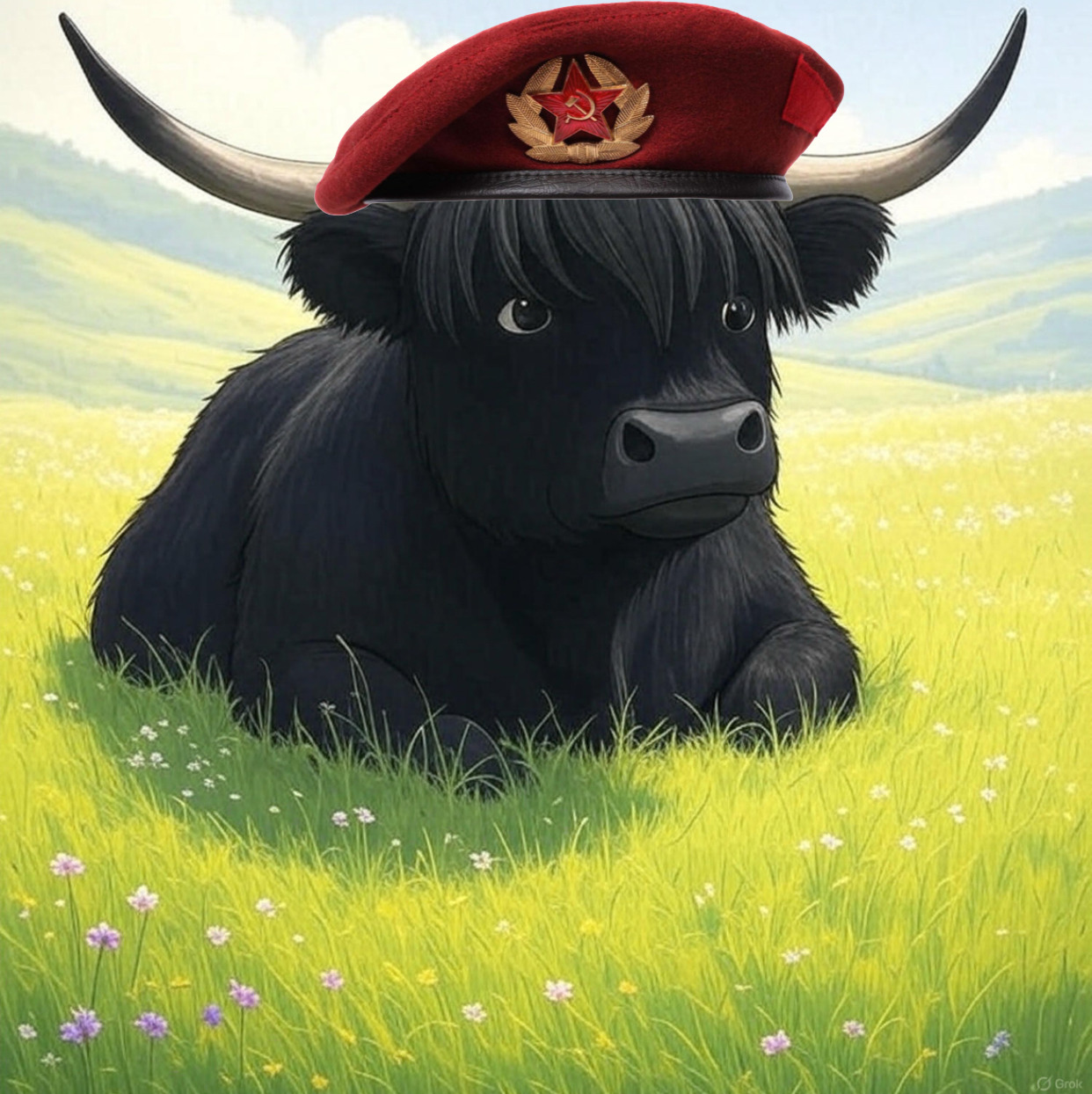


Tbh, though I appreciate your effort to explain how to make it clearer (it’s a solid breakdown on language use), I tend to be of the view that unless you really know your audience (ex: you’re speaking to a close friend who you can trust knows you and knows your tells for joking and serious) it’s almost always better to say outright whether you’re joking.
One point made in this thread is that not doing so makes it more difficult for people on the autism spectrum. But it’s not only that. There’s a reason Poe’s law become an adage on the internet:
In particular, in ideological spaces, there’s real risk that parody of reactionary views can be used as a means of laundering real reactionary views through irony poisoning:
Or through a process like that of what is sometimes called “Schrodinger’s douchebag”:
I’ve been wanting to write a longer post on this subject for some time, but never quite got around to it. In general, it seems to me that the common western view on parody and satire, that it’s somehow more clever/valuable/compelling if it is not explicitly and openly called attention to as such, is rooted in elitism rather than effectiveness (e.g. the idea is that there are the ones who are “clever enough of mind” to get it and the ones who aren’t, and the ones who aren’t are supposed to be left out - otherwise, why not say what it is?). Sans elitism, the “why not specify” could have some validity in theory. For example, I could imagine a scenario where speech is so criminalized that using satire to speak in code may have some value. However, that’s generally not what people are dealing with on the western English-speaking internet; either speech is not criminalized to such a degree or when it is, satire doesn’t help as “code” because of how easily it can be mistaken for the real thing and the anonymity means you won’t generally speaking to people who know you in order to decipher your true meaning.
Also tagging @[email protected] because I think it’s worth you considering this perspective on the subject.